Bhai Dooj 2026: Bhai Dooj is one of the important occasions celebrated by families during the festive season. The day brings brothers and sisters together through traditional rituals, prayers and family meals. Sisters pray for their brothers’ health and long life, while brothers express their love and promise to stand by them. However, the festival’s date can sometimes cause confusion because the Hindu calendar follows lunar timings rather than the regular calendar. In 2026, the Dwitiya Tithi begins on November 10 and continues into the following afternoon. This has led to a common question about which day should be marked for the celebration.
Bhai Dooj 2026 date: November 10 or November 11?
Bhai Dooj will be celebrated on Wednesday, November 11, 2026. Although the Dwitiya Tithi begins on Tuesday afternoon, November 10, the festival will be observed on November 11. This is because the auspicious afternoon period for performing the rituals falls on Wednesday.
The festival is also known as Bhaiya Dooj, Bhai Tika, Bhai Phonta and Yama Dwitiya in different parts of the country. It is celebrated on the second lunar day of the bright fortnight of the Hindu month of Kartik.
Bhai Dooj 2026 shubh muhurat and Dwitiya Tithi timings
The Dwitiya Tithi will begin at 2 PM on November 10 and end at 3:53 PM on November 11. The auspicious time for the tilak ceremony on November 11 is from 1:10 PM to 3:20 PM. Sisters can perform the main rituals during this window.
Here are the important timings for the festival:
- Bhai Dooj date: Wednesday, November 11, 2026
- Dwitiya Tithi begins: 2 PM on November 10
- Dwitiya Tithi ends: 3:53 PM on November 11
- Tilak shubh muhurat: 1:10 PM to 3:20 PM on November 11
- Muhurat duration: 2 hours and 10 minutes
Families can continue with meals, gatherings and gift exchanges beyond the main ritual window.
Why is Bhai Dooj celebrated? History and significance
Bhai Dooj is associated with the story of Lord Yama and his sister Goddess Yamuna. According to Hindu mythology, Yama visited Yamuna on this day. She welcomed him, applied a tilak on his forehead, performed an aarti and prepared a meal for him.
Pleased by her affection, Yama offered her a boon. Yamuna wished that brothers who visited their sisters on this day and received their blessings would be protected from untimely death and enjoy prosperity. This is why the festival is also called Yama Dwitiya.
The occasion celebrates the affection and support shared by siblings. Sisters pray for their brothers’ well-being, while brothers promise to support and protect their sisters.
Bhai Dooj rituals and traditions across India
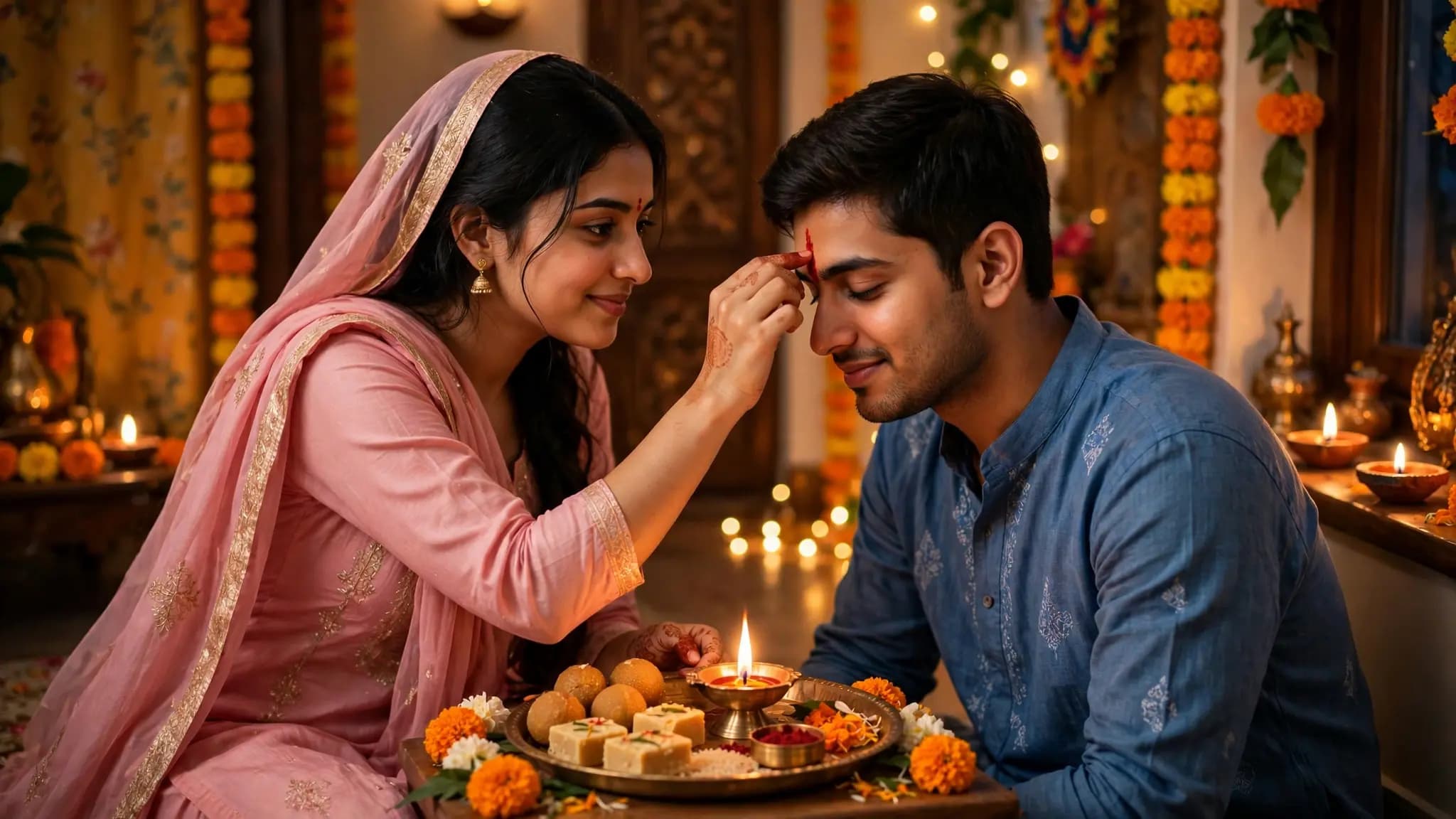
The central ritual involves sisters applying a tilak made with ingredients such as vermilion, sandalwood and rice to their brothers’ foreheads. They perform an aarti and pray for their brothers’ long life and happiness. Brothers receive the blessings and often give gifts in return.
The customs vary across regions. In North India, the festival is commonly called Bhai Dooj or Bhaiya Dooj and may include offerings of dry coconut and a family meal. In West Bengal, it is celebrated as Bhai Phonta, with sisters applying sandalwood paste and chanting prayers. In Maharashtra and Goa, the occasion is known as Bhau Beej, while Nepal celebrates Bhai Tika as part of Tihar, with sisters applying a colourful seven-coloured tika.
Source:- india.com