Some stories are so deeply woven into a country's cultural memory that telling them again is probably the easiest part. The real challenge is making people feel them all over again. Nitesh Tiwari's Ramayana takes on that mammoth responsibility. Armed with extraordinary scale, a celebrated ensemble and a story that generations have grown up listening to, the film doesn't just set out to recreate an epic; it attempts to bring India's most enduring tale to life on a canvas that promises to be larger than cinema itself. But does all that spectacle translate into storytelling that moves, mesmerises and stays with you?
Largely, it does.
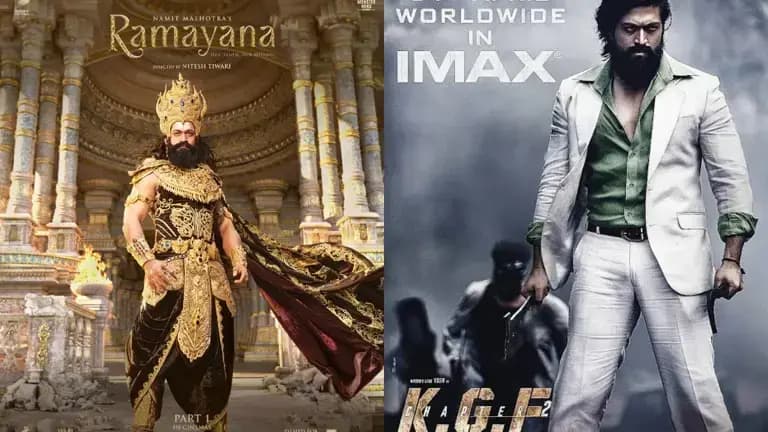
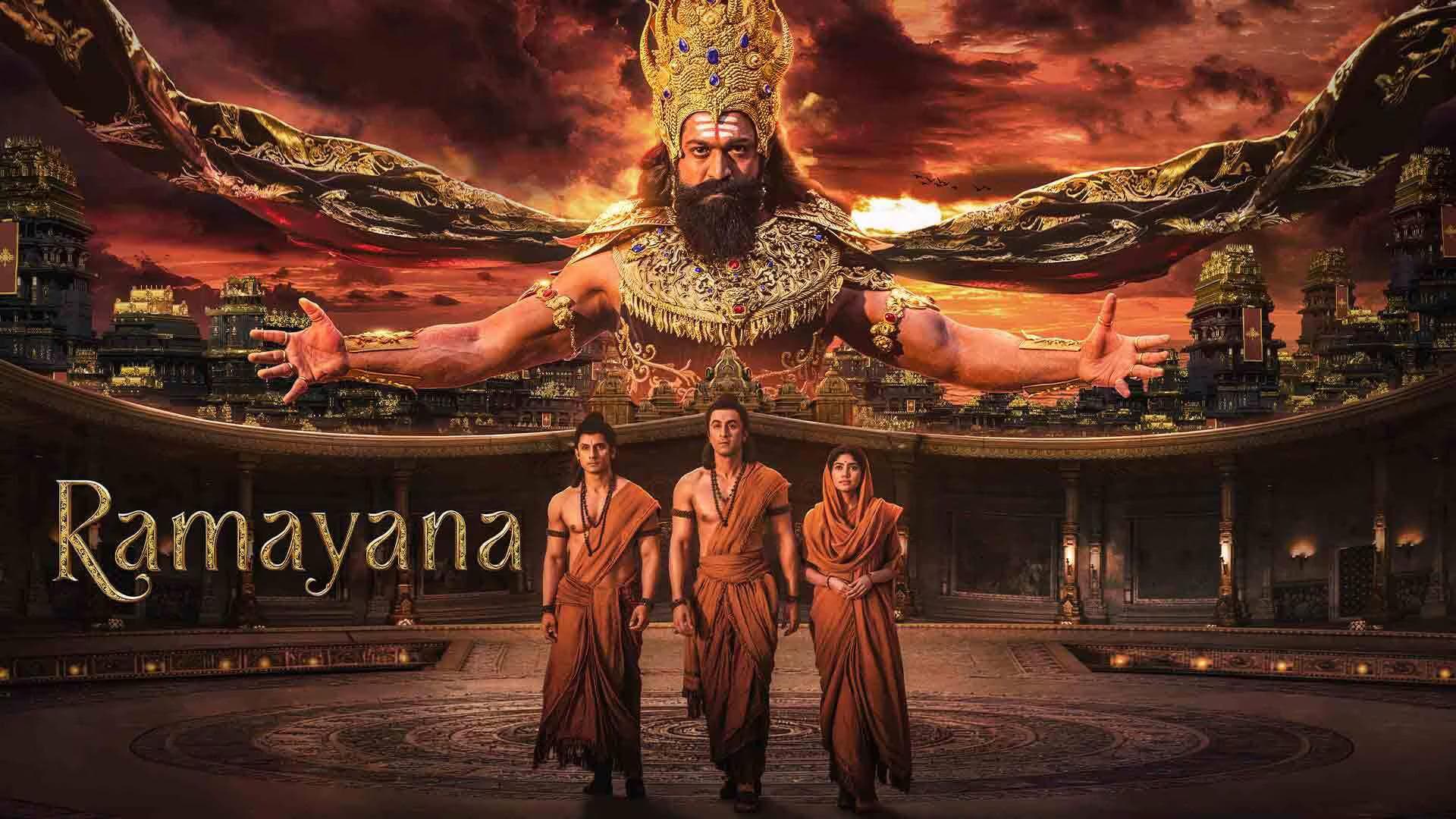
Ramayana tells the story of Lord Rama (Ranbir Kapoor), Goddess Sita (Sai Pallavi) and their battle against evil, embodied by the demon king Ravana (Yash). Tiwari retains the spirit of the epic while adapting it for modern audiences. There are moments that stand out for their sheer cinematic brilliance, while others take you right back to the nostalgia of watching Ramayana for the first time, perhaps on television, surrounded by family. And that is an emotion the film understands rather well.
Lord Rama, the human avatar of Lord Vishnu, is born to King Dashrath and Queen Kaushalya. He grows up as the heir to the throne of Ayodhya, learning the art of warfare and mastering weapons under revered gurus. But what truly sets him apart from others, including his three brothers and the many kings of his time, is not his prowess with a bow and arrow. It is his faith in relationships, his love, his respect for others and, above everything else, his unwavering commitment to doing what is right.
Rama is loved, revered and celebrated in Ayodhya. He eventually marries Sita, the daughter of King Janak of Mithila, after winning her hand in a swayamvar. His younger brother Lakshman is his closest companion, almost an extension of himself.
But fate has other plans. Just when Rama is about to be crowned king of Ayodhya, his stepmother Kaikeyi invokes two promises made to her by Dashrath and demands that Rama be sent into exile for 14 years. Bound by his father's word and his own sense of duty, Rama accepts the decision without protest. Sita and Lakshman choose to accompany him into the forest. What follows is a journey through unfamiliar lands, across forests and into a world where danger lurks at every turn.
Eventually, Sita is abducted by Ravana, the demon king of Lanka, who possesses formidable weapons, an invincible army and a boon from Lord Brahma that makes him extraordinarily difficult to defeat. Rama and Lakshman set out to find her, vowing to bring her back and destroy Ravana's reign.
A story of this magnitude demands a visual language that can match its ambition. And this is where Ramayana begins to make a rather compelling case for itself.
Some of its action sequences, particularly those featuring Ranbir Kapoor as Rama battling the demons, are genuinely breathtaking. The scale, the choreography and the sheer imagination behind these sequences make you sit up. These are also the moments when Hans Zimmer's background score elevates the drama to another level. His music doesn't just accompany the action; it gives it a sense of divinity, making the ordinary boundaries of a cinematic battle feel almost insignificant.
Source:- indiatoday